
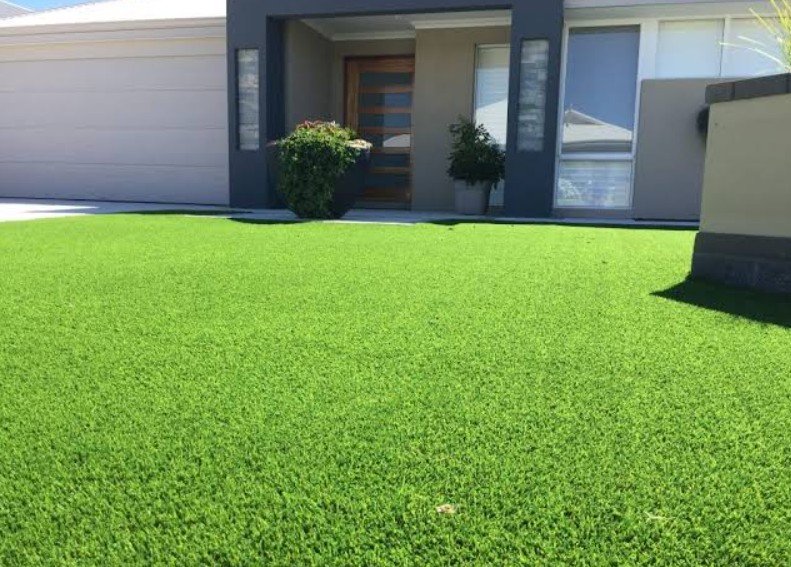
How To Prepare Your Backyard For Fake Grass Installation
Installing fake grass can transform a tired, muddy or difficult-to-maintain backyard into a more practical outdoor space. However, the quality of the finished result depends heavily on what happens before the turf is laid.
Preparing the area properly helps the new lawn sit evenly, drain correctly and remain secure over time.
Start with a clear plan
Before installation begins, decide which parts of the backyard will be covered with fake grass. Consider how the space will be used, where furniture will sit and whether the lawn needs to connect with paving, garden beds, a pool or a children’s play area.
It is also important to identify access points for installers and equipment. Narrow side paths, stairs or limited parking may affect how materials are brought onto the property.
Taking time to plan the layout can prevent unnecessary changes once work is underway.
Remove what is no longer needed
Existing grass, weeds, roots and loose soil normally need to be removed before fake grass can be installed. The area must be excavated to create enough space for the prepared base and the turf itself.
Outdoor furniture, pots, toys and removable decorations should be moved away from the work zone. Irrigation systems may also need to be disconnected, redirected or capped if they will no longer be required beneath the new lawn.
Any hidden tree roots or damaged surfaces should be discussed before the installation begins.
Check how water moves through the yard
Drainage should be considered early in the preparation process. Observe whether water collects in particular sections after rain. Low points, heavy clay soil or poorly positioned downpipes may need additional attention.
Fake grass allows water to pass through the backing, but the base underneath must also be able to move that water away. An installer may recommend adjusting the slope, improving the sub-base or adding drainage in areas where moisture regularly collects.
Water should generally be directed away from the house and other structures.
Plan the borders and finishing points
Fake grass needs stable edges to prevent movement and create a clean finish. Existing concrete, pavers, retaining walls or garden edging may provide suitable borders, while other areas may require new edging.
Think about where the artificial lawn will meet different surfaces. A well-planned transition between turf, paving and garden beds can make the overall landscape look more intentional and professionally finished.
The final height also needs to align with nearby paths, doors and outdoor structures.
Prepare for the installation day
Before the installers arrive, make sure pets and children can be kept away from the work area. The process may involve excavation, compacting equipment, cutting tools and loose materials.
Confirm whether the installer will remove the existing lawn and dispose of waste, or whether this needs to be organised separately. It is also worth discussing how long the area will be unavailable and whether access to gates, sheds or washing lines will be affected.
Give the new lawn a strong foundation
The visible fake grass is only one part of the installation. Underneath it, a properly prepared base supports drainage, stability and a smooth appearance.
By clearing the area, considering water flow and planning the layout in advance, homeowners can help the installation process run more smoothly. Professional preparation also reduces the likelihood of ripples, sinking, pooling or uneven edges developing later.
A successful backyard transformation begins well before the first roll of fake grass is placed on the ground.