

Celebrating Cultural Identity Through Home Design
Home improvement is more than just a trend; it represents a fundamental aspect of modern living. As we spend more time at home, the desire to create environments that reflect our personality, meet our needs, and enhance our quality of life has become increasingly important. This article explores the significance of home improvement in connection with personal identity, cultural heritage, and empowerment, especially through the lens of meaningful symbols like the Black power shirt, Juneteenth shirt, Pan African hat, African clothing, shirt, hat, and hoodie, and Mozambique t-shirts.
Celebrating Cultural Identity Through Home Design
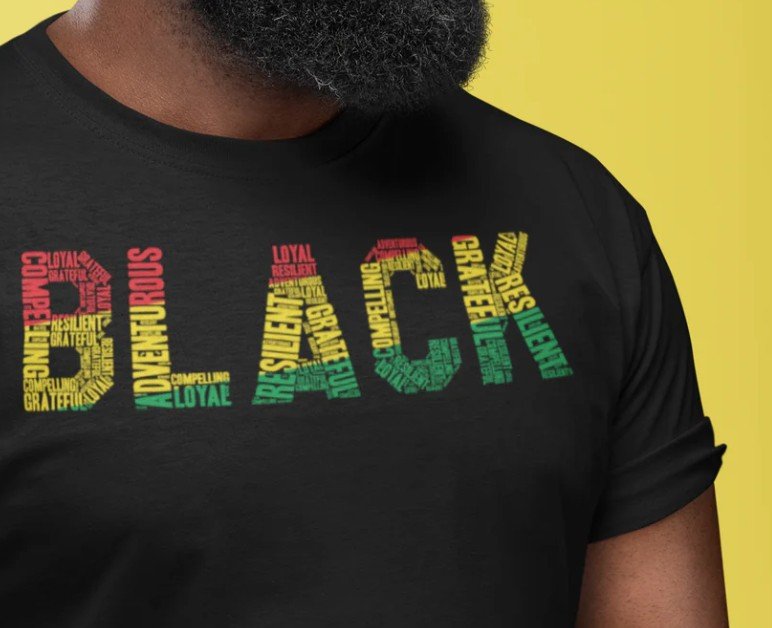
One of the profound aspects of home improvement is the opportunity to express personal and cultural identity. Just as wearing a Black power shirt or a Juneteenth shirt can affirm one’s identity and pride, the way we design and decorate our living spaces can convey our heritage and values. Incorporating elements that reflect cultural significance allows individuals to showcase their roots and connect with their history.
For example, art and decor from African artists can transform a room into a vibrant celebration of culture. Elements such as handcrafted sculptures, intricate textiles, and colorful paintings not only enhance the aesthetic of a home but also tell a story about the individual’s heritage. Whether prominently displayed or subtly integrated, these pieces create a culturally rich environment that resonates with personal identity.
Meaningful Decor Choices
When undertaking home improvement projects, the choices we make in decor carry weight. Choosing pieces that resonate culturally—like African clothing, shirt, hat, and hoodie as decorative items—can create a unique style. Think about displaying traditional garments as wall art or using Mozambique t-shirts as part of your decor.
Using vibrant colors that reflect the Pan-African flag—red, yellow, and green—can infuse your space with life and energy. These colors symbolize important values: red represents the struggles faced, yellow signifies wealth and the potential of the African continent, and green embodies hope and growth. Integrating these colors can create a sense of pride and connection while improving the overall ambiance of your home.
Functional Spaces for Cultural Celebration
Home improvement is also about creating functional spaces that facilitate gatherings and celebrations of culture. Designating areas in your home for family gatherings or cultural celebrations can enhance the sense of community. For instance, a dining area adorned with culturally significant items can become a space for fellowship and sharing stories, much like wearing a Juneteenth shirt would during discussions on history and freedom.
Creating a welcoming outdoor space can make a huge difference when celebrating special occasions, such as Juneteenth or cultural festivals. Consider adding seating arrangements and decorative elements that reflect your heritage, such as a garden that celebrates traditional African plants. This not only beautifies your home but also creates an environment that encourages connection with family and friends.
The Importance of Comfort in Home Design
Comfort is a key factor in any home improvement project. Just as wearing comfortable clothes, like a cozy Pan African hat or a soft hoodie, contributes to a sense of relaxation, ensuring that your home feels welcoming plays a crucial role in overall well-being. When selecting furniture, textiles, and colors, prioritize comfort and livability.
Soft furnishings like cushions, throws, and rugs can add warmth to any space. A stylish, comfortable couch is essential for creating a relaxing living room where friends and family can gather. Utilizing African prints or culturally themed patterns in cushions or curtains can reflect your style and heritage while ensuring that your home is comfortable and livable.
Sustainability in Home Improvement
As our awareness of environmental issues grows, sustainability has become an important consideration in home improvement. This focus also extends to cultural aspects, as many African communities have long-standing traditions of sustainability and respect for nature. Implementing eco-friendly materials and practices in your home renovation projects can be a reflection of these values.
Opt for high-quality, sustainable materials that are not only good for the environment but also ensure that your home improvement projects stand the test of time. For example, using reclaimed wood or natural fibers can contribute to a warm atmosphere while minimizing environmental impact. This choice resonates with the ideals of preservation and respect, which are often celebrated in African culture.
Empowerment Through Representation
Home improvement also provides an opportunity for empowerment. By engaging in projects that reflect your cultural identity, you take control of your living space and create an environment that feels uniquely yours. Wearing a Black power shirt or a Juneteenth shirt while working on your home allows you to celebrate your heritage and acknowledge the struggles faced by generations before you.
Engaging in home improvement can also inspire the community around you. Showcase your commitment to identity and sustainability through projects that others can admire and learn from. This practice not only strengthens your connection to your heritage but can also spark conversations about cultural pride and representation.